
How to hatch any type of fish eggs. Easy to understand tutorial. YouTube

Key Takeaways. Spotting and identifying snail eggs early on is key to preventing a tank infestation, with snail eggs commonly appearing as clustered jelly bubbles on aquarium plants and decorations. While snails can be advantageous for aquarium hygiene, keeping their numbers in balance is essential; options for surplus snails include using them.
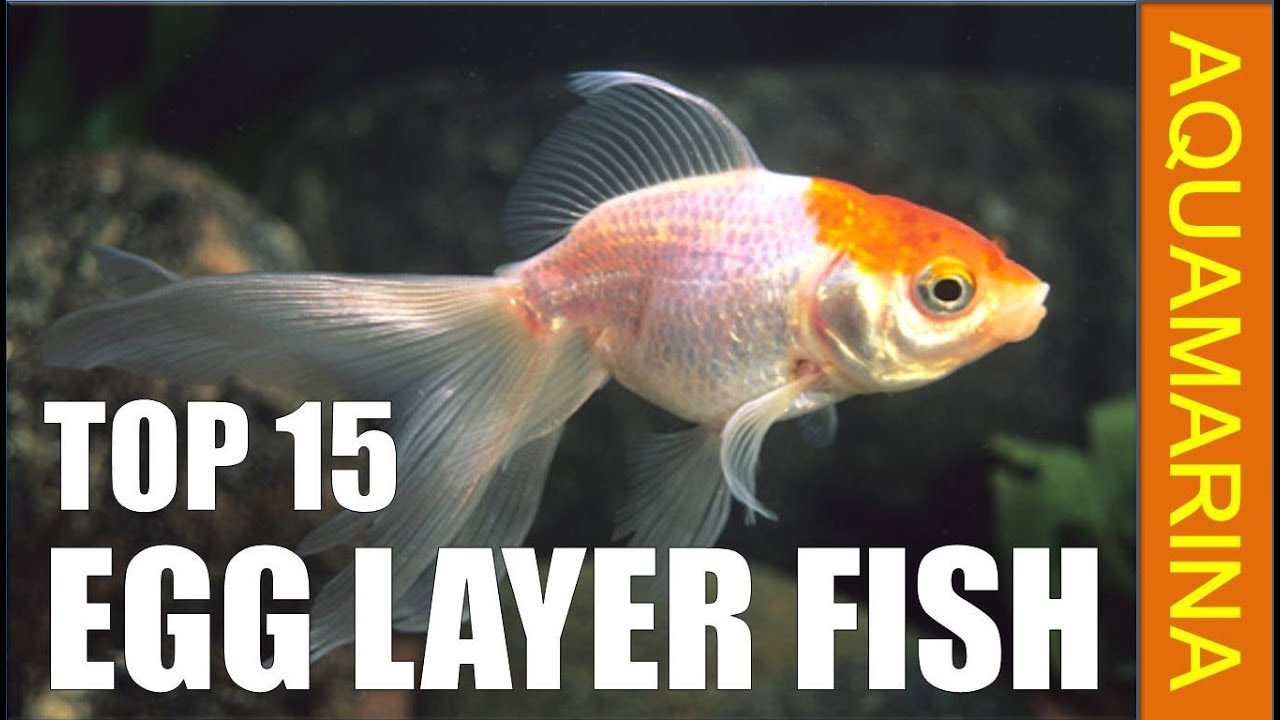
Top 15 easy to breed egg layer fish for your aquarium Aquamarina YouTube
Snail eggs show up in clusters, while fish eggs are either scattered or lined up. Consider their appearance. Snail eggs are in a gelatinous mass, whereas fish eggs are distinct and separate. Take note of the color. Snail eggs tend to be clear, creamy, or slight yellow while fish eggs are clear with a visible dot.
Fish eggs That grilled fish was huge. And a bonus! i… Flickr

Snail eggs are often laid in clusters, known as egg clutches or gelatinous sacs, and are usually attached to aquarium decorations, plants, or the tank's glass. Snail species produce distinct egg types, from small, translucent spheres (ramshorn snails) to hard, white, and round eggs (nerite snails). Malaysian trumpet snails are known for their.
How Long Does It Take For Fish Eggs to Hatch? Fish Tank Master
Assassin snails only lay around 4 eggs at a time. These eggs are laid individually and are a light yellow in color. They almost appear like a single corn kernel. Assassin snail eggs will be laid close together, usually in a straight none-connected line. These are usually laid underwater on grass, plants, decorations, equipment, or substrate/rocks.
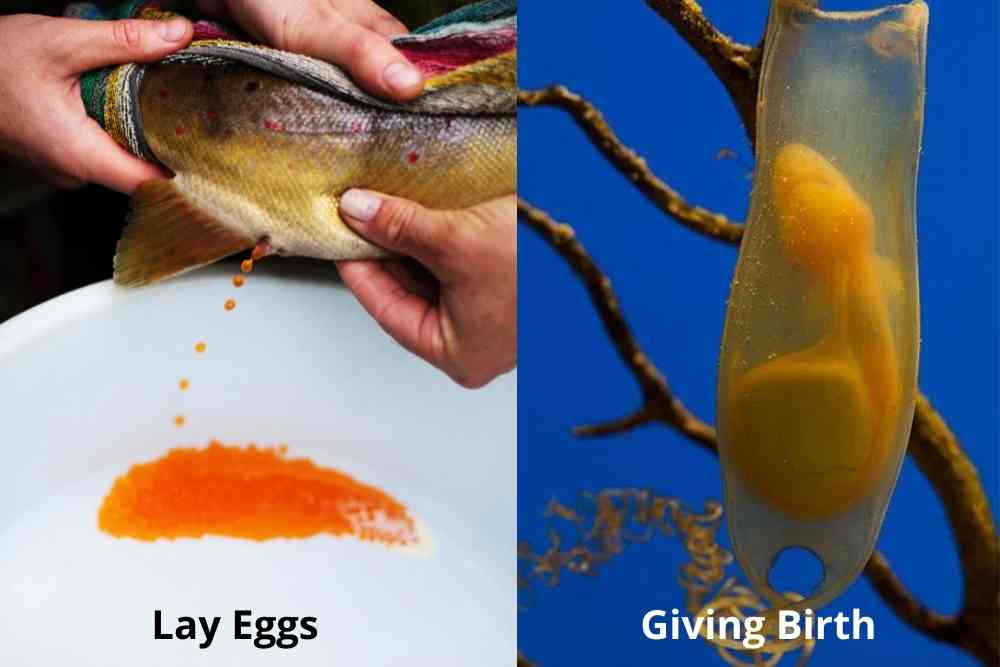
Do Fish Lay Eggs Or Give Birth? Fish Article
The recommended temperature for snail breeding and hatching is 65 to 80 degrees Fahrenheit or 18.3 to 26.7 degrees Celsius. On the other hand, lowering the water temperature will limit the number of eggs aquarium snails produce. Unfortunately, some fish species don't do well in a cold environment.
Building a Fish Nursery · Tennessee Aquarium
Reduces waste: Snails produce waste; a large population can contribute to higher ammonia and nitrate levels in your tank. Removing eggs can help keep your water parameters more stable. Improves aesthetics: Some people find snail eggs visually unappealing. Removing them can make your tank look cleaner and tidier.
The Fishtank Mystery eggs

These fish species are wonderful for controlling the snail population and preventing over-the-top infestations. 3. Dispose Of Them Before They Hatch. The final option for dealing with snail eggs is to dispose of them. It's perfectly reasonable not to want snails in your freshwater aquarium.
Goldfish eggs
First and foremost, it's important to remove the eggs from the main tank and put them in a separate container, as adults may accidentally eat or crush them. Secondly, provide aeration to the container and ensure that the temperature and pH level are optimal for the specific species of fish you're raising.
Can someone help identify these eggs? Aquariums

Depending on the species, Aquarium Snails and their eggs require temperatures between 65°F to 80°F (18.3-26.7°C). If you are hoping to limit the number of snail eggs, lower the temperature, but always watch out for the water parameters required by the other fish and plants in your aquarium.
(PDF) Negative effects of malachite green and possibilities of its replacement in the treatment

Place a damp paper towel on the bottom and lay the eggs on top of that. Make sure that the towel is damp, not wet, as too much water will damage the eggs. Close the lid and float the container in your aquarium. Check the eggs daily to ensure they are remaining moist and replace the damp paper towel.
The meaning and symbolism of the word «Fish Eggs»

Ramshorn snails are a type of freshwater snail that lays eggs in clusters. These eggs have a slimy coating and can be either white or light yellow depending on the species, but they all look alike. Ramhorns are most often brought up as feeder snail for other fish and snails (such as the assassin snail). They make a good addition to tanks.
Spawning Fish and Fish Eggs in the Aquarium A Guide for Beginners
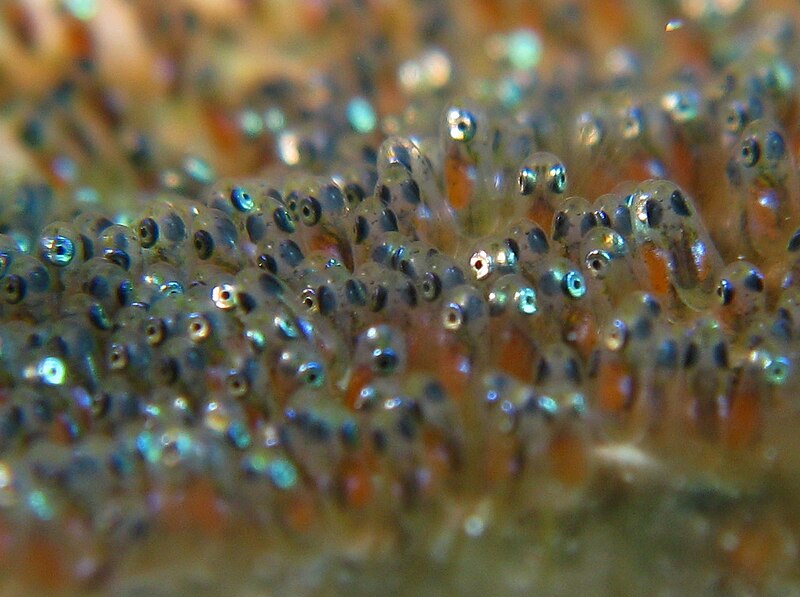
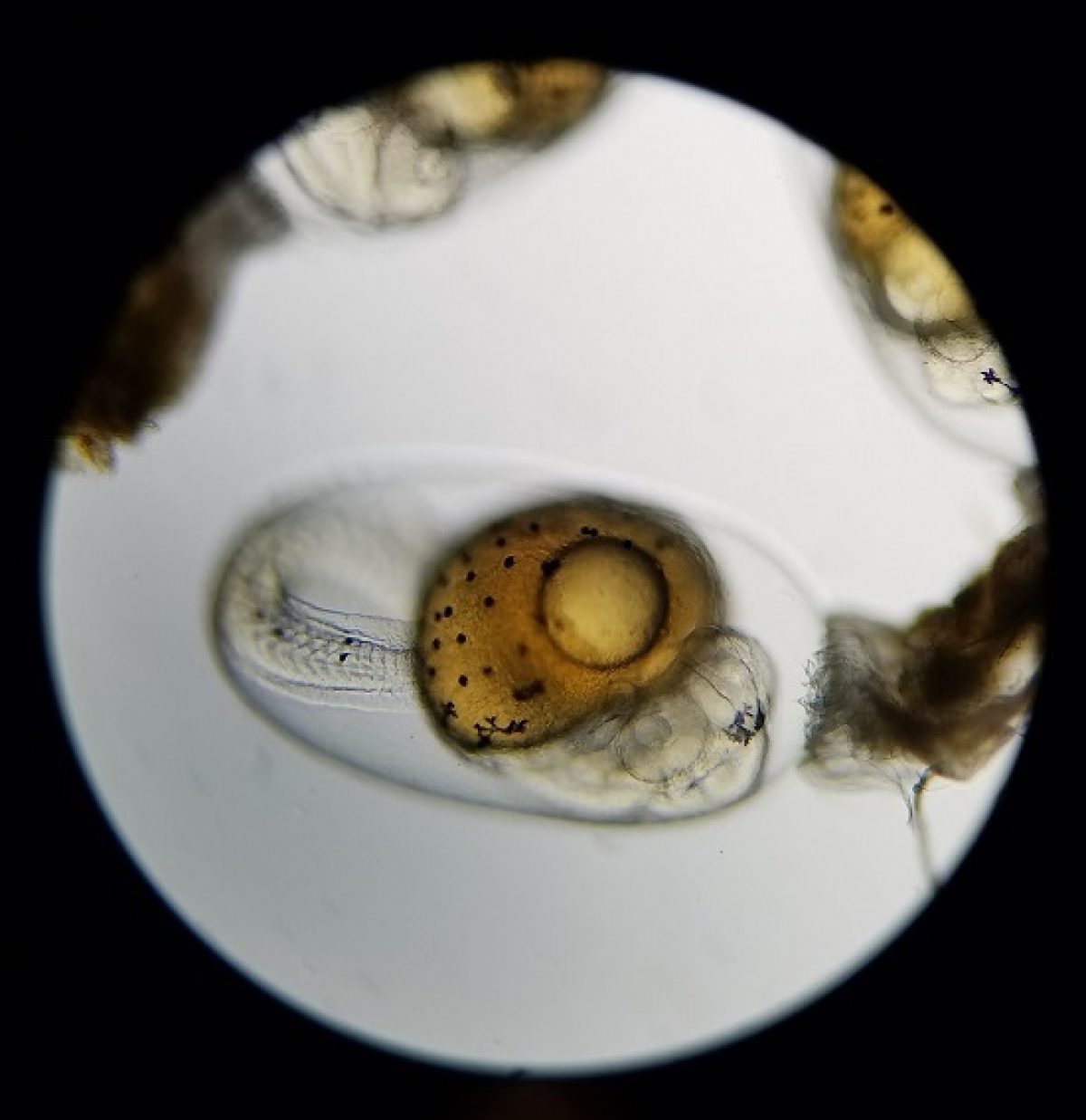
In this blog, I will explain the most commonly found ones and how to identify them. Nuisance Snail Eggs: These eggs are usually found in bunches. They are snails like Bladder, Ramshorn, or Trumpet. Sometimes you can see the developing embryos inside the eggs. They are most commonly found the tank glass, but can be on the decor and plants.
Fish eggs not food not bird not bear Stock Videos & Footage HD and 4K Video Clips Alamy
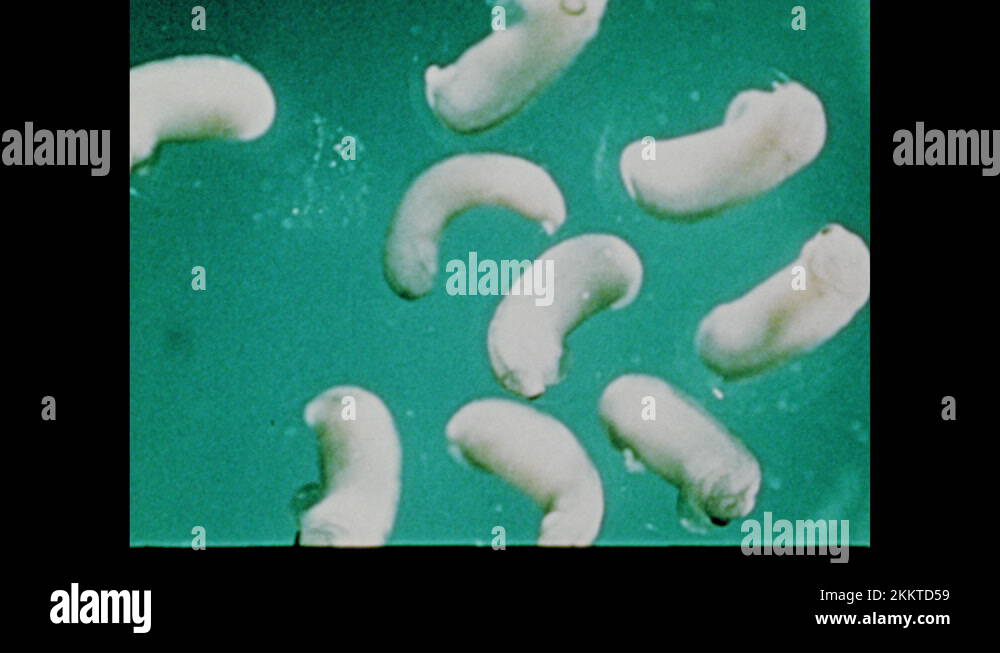
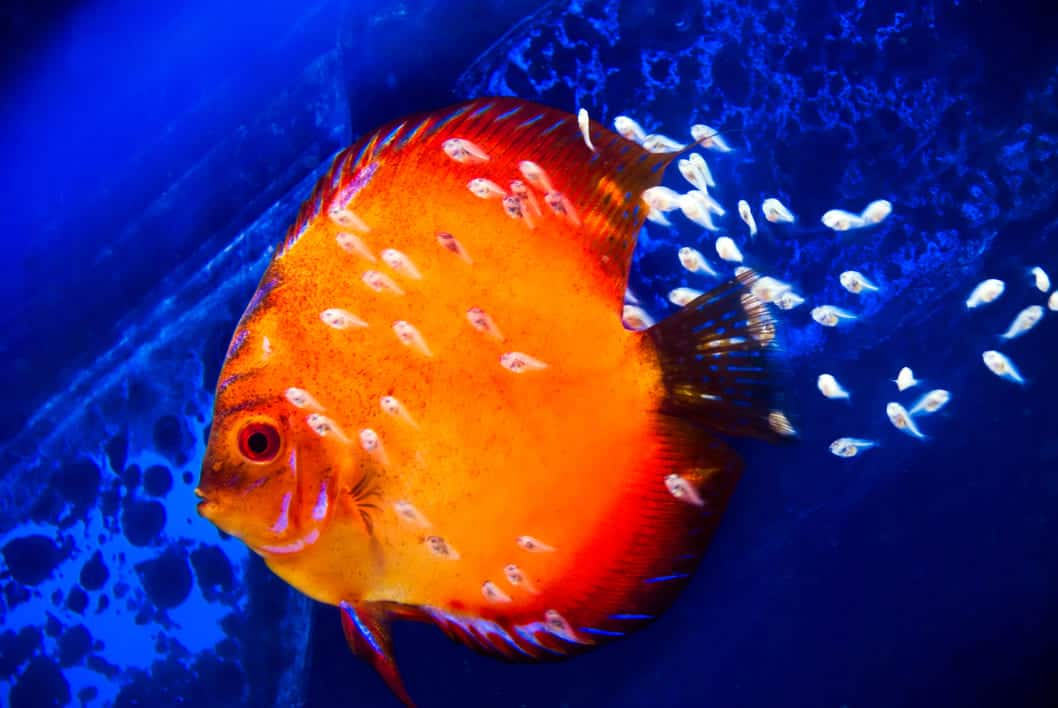
e. Discus. Discus fish are unique for their bright colors, unique body shape, and amazing patterns. Discus can lay around 400 eggs in an aquarium, ending up on various surfaces like the glass of a tank, rocks, or other decor. Female discus may protect their eggs, but males may eat them if they're hungry.
Fish Eggs In Aquarium 1000+ Aquarium Ideas
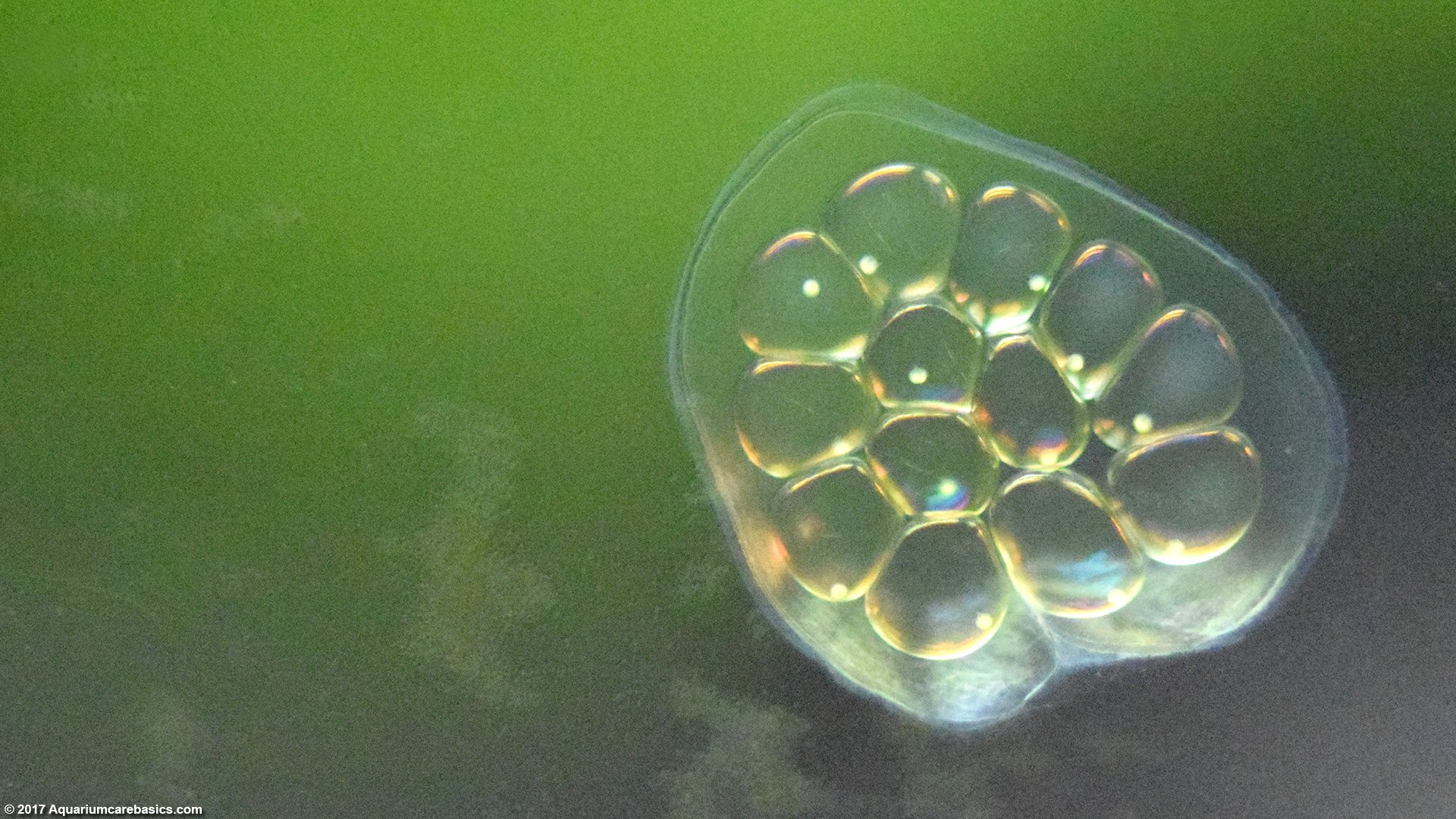
The eggs of this species are laid above the waterline and are encased in a hard, calcareous shell. They are about the size of a golf ball and are typically pink or orange in color. The eggs take about two-three weeks to hatch, and the snails reach maturity in about 120-150 days. Mystery Snail Eggs laid near the top of an aquarium.
Fish Eggs Hatching Fish Hatching From Eggs Fish Breeding How to Fish Bron Animal's

Mystery snails are famous for their larger cluster, and sometimes they can reach 150 eggs, while Ramshorn snails have a smaller cluster of a dozen eggs. For the timely and easy identification of the snail eggs in the home aquarium, watch out for the plant leaves' rock surface and outer side.
What Do Fish Eggs Look Like In An Aquarium Aquarium Views
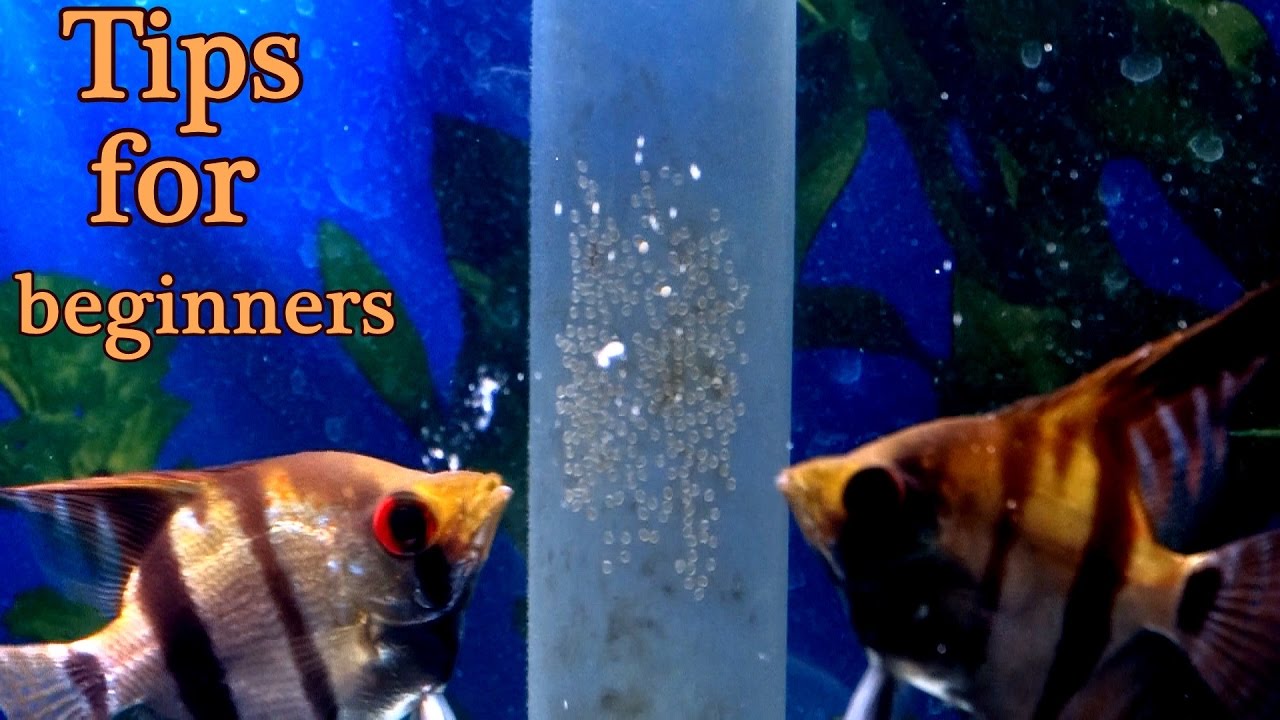
Identifying different types of snail eggs in the aquarium. Identifying different types of snail eggs in the aquarium can be a fascinating and essential skill for any aquarium enthusiast. Snail eggs come in various shapes, sizes, and colors, making them unique to each species.. Consider reducing the amount of food given to the fish in the.
.